

Can You Burn Two Incense Sticks at the Same Time? Scent Mixing, Safety & Expert Pairing Guide
📖 Reading time: approx. 8 minutes | 👉 Scroll down to read, or jump to a section using the table of contents below

Burning two incense sticks at once creates a blended scent profile. The key to a harmonious result is understanding which fragrance families complement each other — and how to use one as a base note.
✅ The short answer (for those in a hurry)
Yes, you can burn two different incense sticks at the same time, and they will usually create a blended scent. However, burning two sticks simultaneously increases smoke and indoor fragrance intensity, so it's important to keep the room well-ventilated, limit the burn time, and be mindful if children, the elderly, or anyone with respiratory sensitivities are present.
Table of Contents
- • Can you burn two incense sticks together? Three things to consider first
- • Will the scents blend or clash? The key to successful incense layering
- • Health & safety: what you need to know before doubling up
- • Pairing guide: Sandalwood, Hinoki & Palo Santo combinations
- • The 4-step method for layering incense well
- • Frequently Asked Questions
Can You Burn Two Incense Sticks Together? Three Things to Consider First

When customers ask whether they can burn two incense sticks at once, they're usually not just after a stronger scent. More often, they want more depth and complexity, they want to clear the energy of a room more quickly, or they want to soften the sharp edges of one scent with something warmer and steadier.
So rather than a simple yes or no, here are the three factors that actually determine whether burning two sticks together is a good idea:
- Scent compatibility — Do the two fragrances complement each other, or will they fight for dominance?
- Room conditions — How large is the space, and how well is it ventilated?
- Sensitivities in the room — Is anyone particularly sensitive to smoke or strong fragrances?
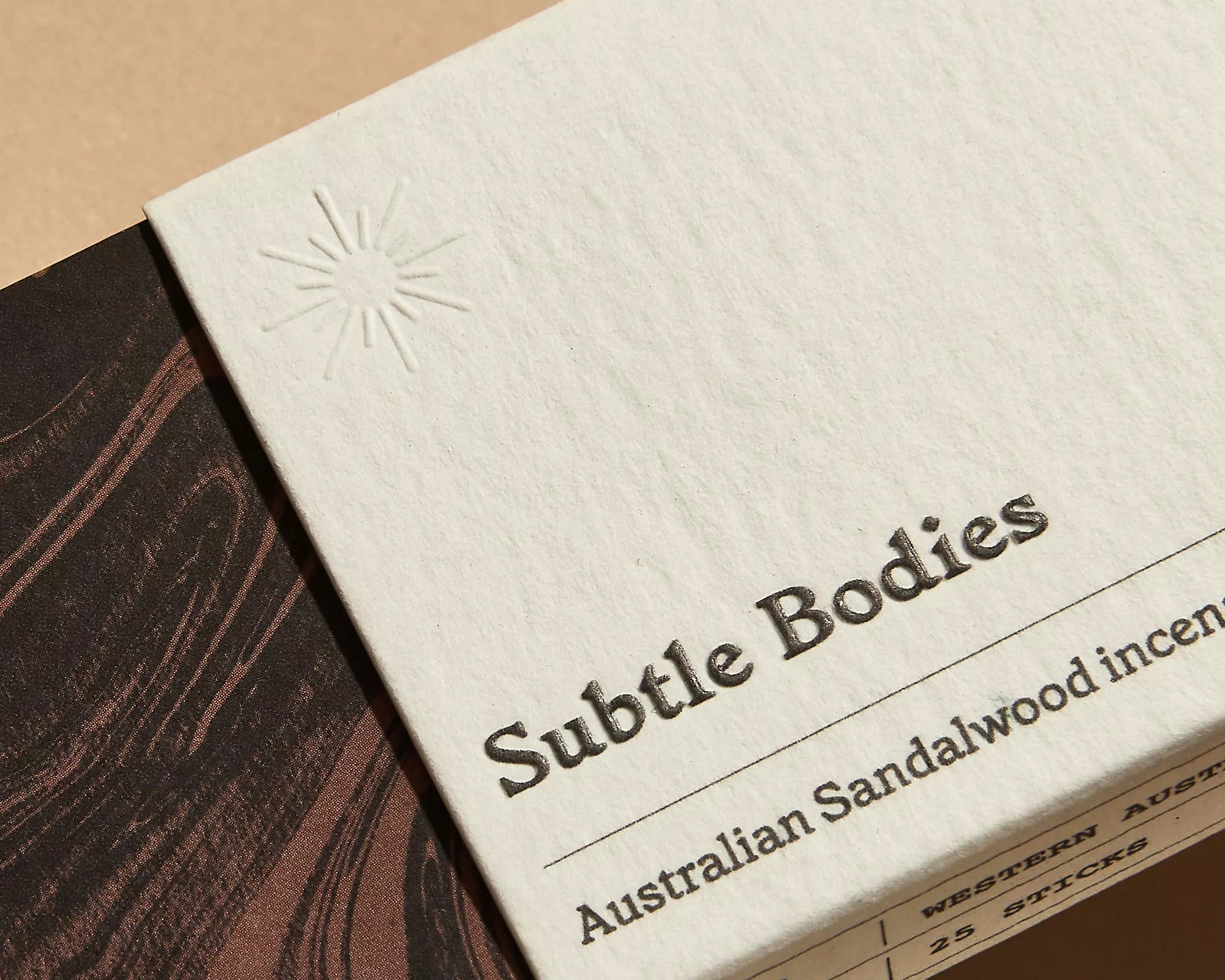
📚 If you're new to natural incense and want the most forgiving base note to start with, our Australian Sandalwood Incense is a great place to begin.
Will the Scents Blend or Clash? The Key to Successful Incense Layering

Yes — burning two different incense sticks will almost always create a blended scent. The fragrance molecules from both sticks mix in the air, and your nose perceives them as a single, combined impression rather than two separate aromas.
1) "Base note + accent" works far better than lighting both at once
The most common mistake people make is lighting both sticks at the same time with equal intensity. The result is two fragrances competing for attention, and the room ends up smelling muddy or overwhelming. A much better approach: light one stick first as a foundation, let it establish itself for a few minutes, then introduce the second stick as a brief accent.
2) Woody scents are your best friend as a base note
Woody fragrances — sandalwood in particular — have a natural anchoring quality. They settle into a space without dominating it, which means they make an ideal canvas for a second, more distinctive scent to layer on top. The result tends to feel cohesive and intentional, rather than accidental.
Want to explore layered scents for yourself?
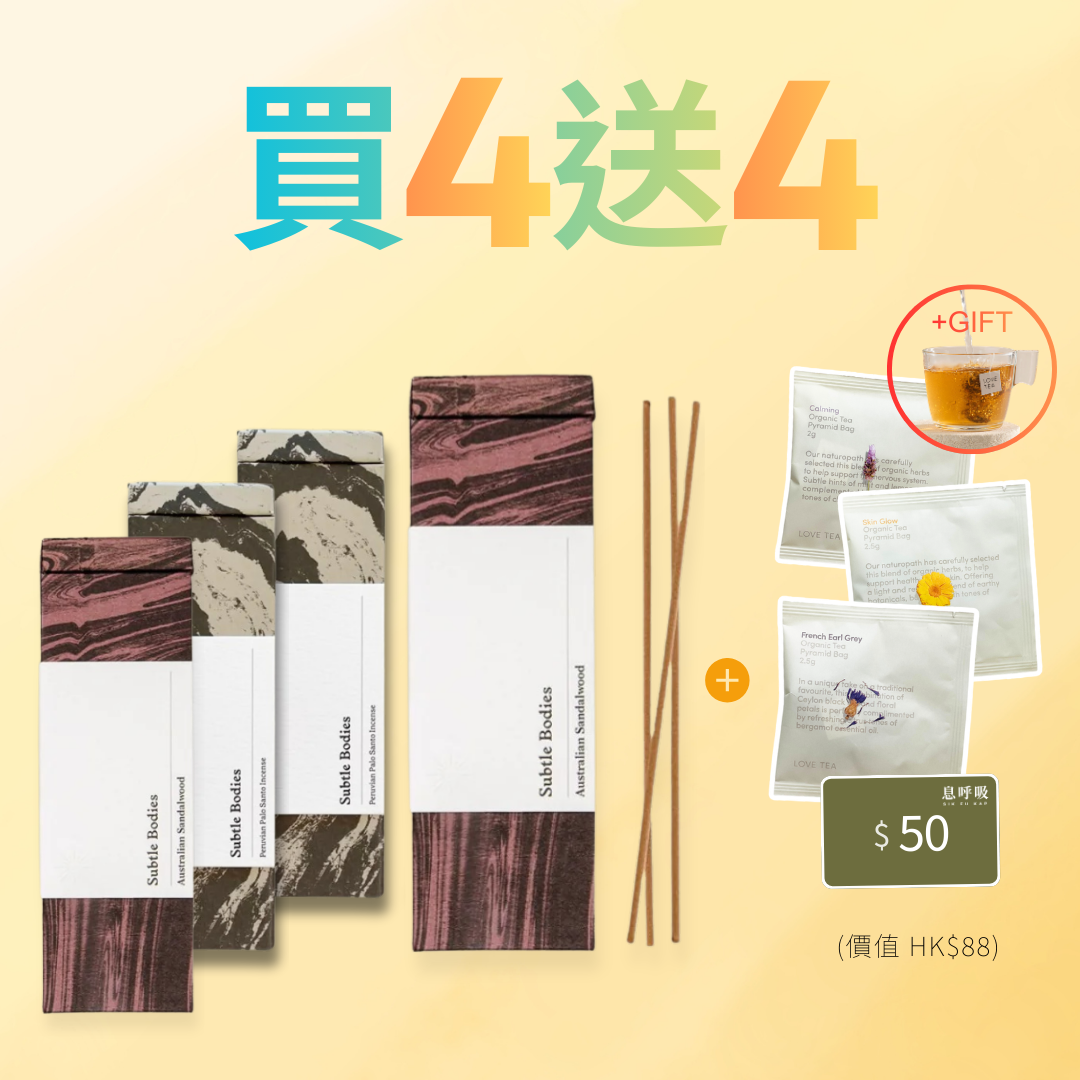
Try using our sandalwood as your base, then layer in a forest freshness or cleansing note with our Taiwan Hinoki Incense or Peruvian Palo Santo Incense.
Health & Safety: What You Need to Know Before Doubling Up

Burning incense — even high-quality, all-natural incense — produces smoke. That smoke contains fine particulate matter (PM2.5), volatile organic compounds (VOCs), and polycyclic aromatic hydrocarbons (PAHs). Burning two sticks simultaneously means more smoke, and more smoke means higher concentrations of these particles in the air.
This doesn't mean you can never burn two sticks at once. It does mean that ventilation, burn duration, and awareness of who else is in the room all become more important when you do.
Three non-negotiables when burning two sticks together
- Keep the room ventilated — Open a window or keep air circulating. Even a small amount of airflow makes a significant difference to indoor air quality.
- Shorten the burn time — You don't need to burn either stick to completion. A short, intentional burn is all it takes to shift the atmosphere of a room.
- Be extra cautious around sensitive individuals — Children, elderly people, and anyone with asthma or respiratory conditions are more vulnerable to incense smoke. When they're present, fewer sticks and better ventilation are always the safer choice.
⚠️ Safety reminder: Always use a stable incense holder, keep sticks away from curtains and paper, and never leave burning incense unattended.
Pairing Guide: Sandalwood, Hinoki & Palo Santo Combinations

The pairings below follow a "base note + accent" approach. The goal is a scent that feels layered and cohesive — not crowded.
| Mood / Intention | Recommended Pairing (Base → Accent) | What to Expect | Tips |
|---|---|---|---|
| Unwinding after work | Australian Sandalwood → Taiwan Hinoki | Warm, creamy wood grounded by a cool forest freshness — gentle and layered | Light the sandalwood first for 3–5 minutes, then briefly introduce the hinoki |
| Winding down before sleep | Taiwan Hinoki → Australian Sandalwood | Rain-soaked forest with a soft, warm finish — deeply calming | Keep the burn short before bed and ensure ventilation; don't let smoke build up while you sleep |
| Clearing the air / ritual reset | Palo Santo → Australian Sandalwood | The Palo Santo's clearing quality is present but softened — purposeful without being overwhelming | 5–10 minutes is plenty; prioritise ventilation with this pairing |
Not sure which to start with? Here's a quick overview of all three
Each stick is crafted from a single wild or sustainably grown natural material — no synthetic fragrance, no fillers.
The 4-Step Method for Layering Incense Well

- Set a single intention first — Relaxation, sleep preparation, or clearing the space. Pick one; trying to achieve everything at once is how scents end up fighting each other.
- Choose one stick as your base note — Let it fill the room and establish a foundation before anything else enters the picture.
- Introduce the second stick briefly as an accent — Light it for a short time, pay attention to how the combination feels, and extinguish it if the room starts to feel heavy or overpowering.
- Ventilate and limit total burn time — You don't need to burn either stick all the way down. A short, deliberate burn is more than enough to transform the atmosphere of a room.
✨ First-timer tip: Start with our Australian Sandalwood as your anchor — it's the most forgiving base note of the three and the easiest to layer without things going wrong.
Frequently Asked Questions
More incense doesn't always mean more atmosphere
One grounding base note, one thoughtful accent. That's really all you need. Use a sandalwood as your anchor — then add a forest note or a clearing note depending on how the day has treated you.
✓ Free international shipping available · ✓ Suitable as a gift · ✓ 100% natural materials

With years of experience working across the natural incense and holistic wellness space, the founder of Sik Fu Kap has dedicated much of their practice to sourcing rare, sustainably harvested aromatic materials from Peru, Australia, and Taiwan — and making them accessible to people building intentional daily rituals at home.
Rooted in the belief that scent is one of the most immediate pathways to emotional and energetic reset, their work bridges traditional fragrance knowledge with a grounded, contemporary approach to everyday wellbeing.



兩款線香可否同時燃點?香氣混合效果、安全風險與三款線香配搭建議「2026 更新版」
水晶消磁方法比較:月光、日光、煙燻、噴霧,邊種最適合香港人?【2026完整指南】
Share: